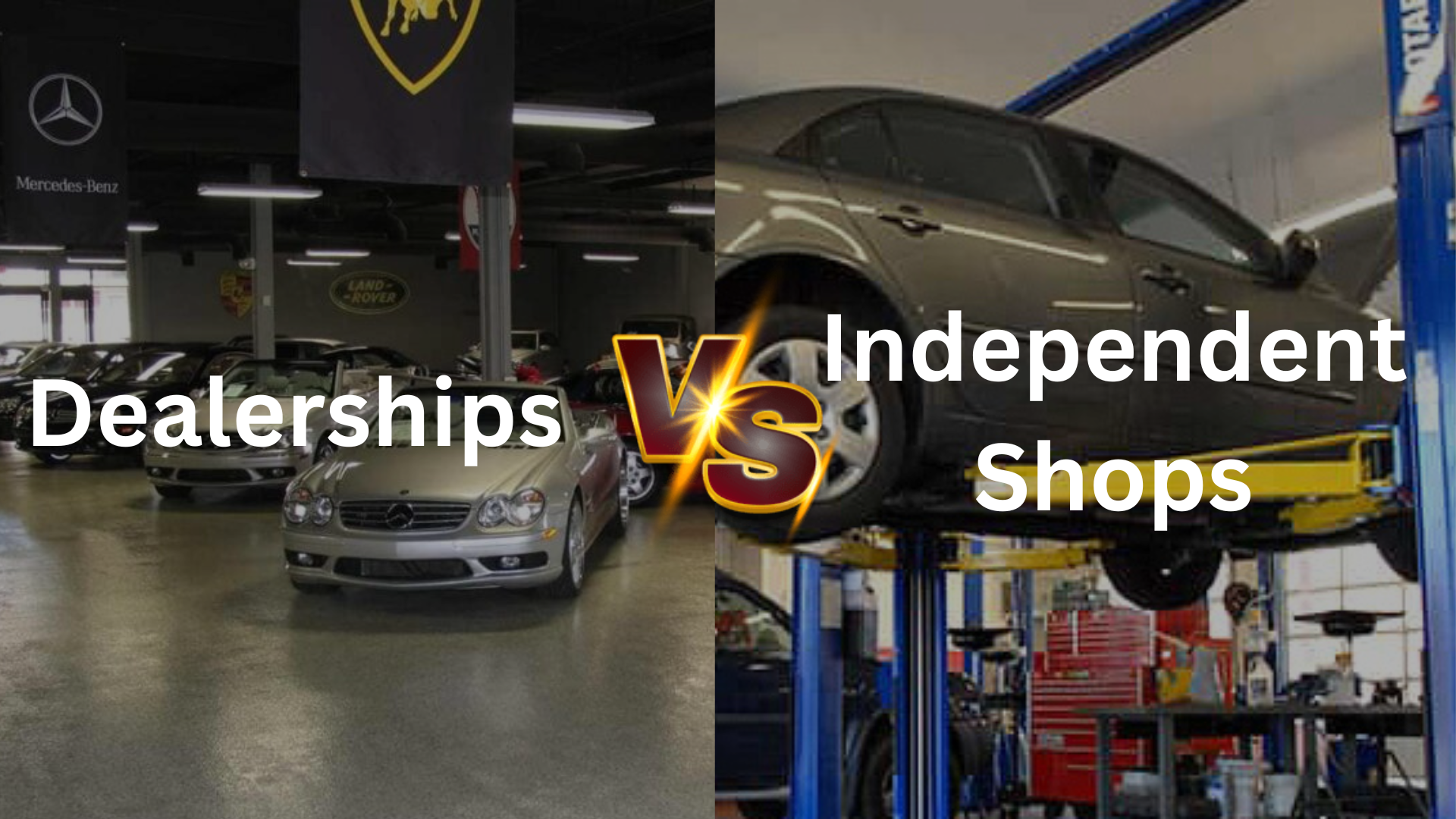
We all love our cars at least we, at Euro Auto Tech & Smog, hope you do, and taking care of it isn’t just as simple as driving from Point A to Point B. It doesn’t matter if you're driving a Mercedes, BMW, Porsche, Audi, or any other kind of car, you want technicians who understand what makes your car special. But when it comes to maintenance and repairs, there’s an important question every car owner should ask, “Do I take my car to a dealership or should I trust an independent auto repair shop?” Here’s the thing, dealerships have their advantages, but independent repair shops offer things that are very valuable to drivers like: personalized service, specialized expertise in a variety of vehicles, flexibility, and more often than never significantly lower repair and labor costs. At Euro Auto Tech & Smog, we are fully behind the “Right to Repair” and we believe customers should have the freedom to choose where they take their cars to get serviced. As the customer, you have the right to make a choice based on quality, experience, transparency, and value. Here’s what every car owner should know: 1. Repair Costs: Quality Doesn’t Mean Dealership Prices One of the classic differences between independent repair shops and dealerships is the cost of service. Dealerships have incredible overhead, they run large facilities, they must have manufacturer-specific infrastructure, they carry administrative costs and much more expenses. All those expenses can lead to being reflected in your bill as a customer. Something that costs $100 can easily be $300 for all the extra bells and whistles that didn’t go into fixing your car. Independent shops are usually more flexible when it comes to pricing and repair solutions while not sacrificing quality. A quality shop can provide dealership-level diagnostics and repairs while being competitive with prices. The ability to be versatile with parts, less overhead expenses, and not being vehicle-specific passes the quality and savings to the customer. At the end of the day, you shouldn’t have to choose between quality workmanship and an affordable bill. 2. Experience Counts: Technicians Need to Know Your Car There’s a common misconception that dealership techs are more knowledgeable about the vehicle-specific brand than independent mechanics. The truth is that experience comes from working on vehicles day after day, having a solid grip on the common failure points, understanding how the technology is changing, and how to properly diagnose problems that occur. A dealership mechanic working on Toyota’s for one year doesn’t beat an Japanese independent auto repair facility with 10 years of experience in the field. Remember, an experienced independent specialist can bring a much broader look to each repair, that can include helping you save money or help you strategize for other options. 3. Versatility: Not Being Stuck to One Particular Manufacturer Most dealerships specialize in their own brand, that’s it. So say you own an Audi, you must now go to an Audi dealership. If you have a Mercedes, you must go to a Mercedes dealership. This isn’t the case with independent shops. With an independent shop, there’s usually a speciality or a generalization. Now, a specialty shop is one where the technicians have a focus on a particular type of vehicle i.e. America, European, Japanese, Hybrid, etc. A general shop is one where the technicians will work on any kind of car. As long as the shop has the right equipment, training and overall experience they can work across different manufacturers while being an expert in the cars they focus on. So instead of having to take one vehicle to the dealership and another one of your vehicle’s somewhere else, you can have a family trusted auto mechanic that can take care of all your cars. 4. Personalized Service: You’re More Than Money Customer service is everything. It’s what makes the difference between those that focus on quality and those that focus on quantity. Usually at a large dealership, you’re just another appointment, a number on a busy schedule. Independent shops have a much more personal connection with their customers because a lot of auto repair facilities are structured like mom and pop shops. Keeping your customers happy and building a trusted relationship with them is how they get repeated business. It’s a necessity to do good business. So instead of just handing you a bill, big or small, the mechanic should explain what failed, why it failed, what needs to be repaired now, and what can possibly wait. 5. Modern Technology: The Right Technology Gets the Job Don Modern cars today are very sophisticated. Most of the cars we drive today are electronically controlled with sensors, transmissions, advanced engine-management systems, emission controls, radar and camera systems, and computer networks hardwired throughout the vehicle. Just going to the cheapest mechanic isn’t the fix, finding the right mechanic is. Just because the dealership has the technology, doesn’t mean their mechanics are trained to use it. For a quality independent shop, they invest time and money into training, technology, and all the information that’s necessary to understand their focus in vehicles. So in other words, independent doesn’t mean basic, just like dealership doesn’t mean competence. If your car is coming up on scheduled maintenance or needs a repair, call around, talk to the mechanic, vet the company, and ask questions. Why do all this? Simple, you want honest answers, fair pricing, quality work, and confidence knowing that you’re not spending more money than necessary, but most importantly, you want someone that knows and understands your vehicle. Summary Dealerships are a decent option for certain services, but they aren’t the only players in the game where you can get good quality work for a fair price. Independent shops can offer: Competitive repair costs Experienced technicians Greater versatility across make and models of different types of manufacturers Advanced diagnostics Flexible repair times and options A local business that gets to know your car very well Of course, the choice comes down to who you trust and your circumstances. At Euro Auto Tech & Smog, we serve the greater La Mesa, San Diego, Kearny Mesa, Lemon Grove, Spring Valley, El Cajon, Santee, and Mission Valley areas while specializing in European auto repair, diagnostics, maintenance, and smog services. If you live in these areas and you’re looking for a trusted auto repair shop, maybe it’s time you come and visit us. Schedule Your Appointment Today

Maintain your BMW's performance with essential maintenance tips. From regular inspections to fluid checks, ensure your car runs smoothly for years to come.
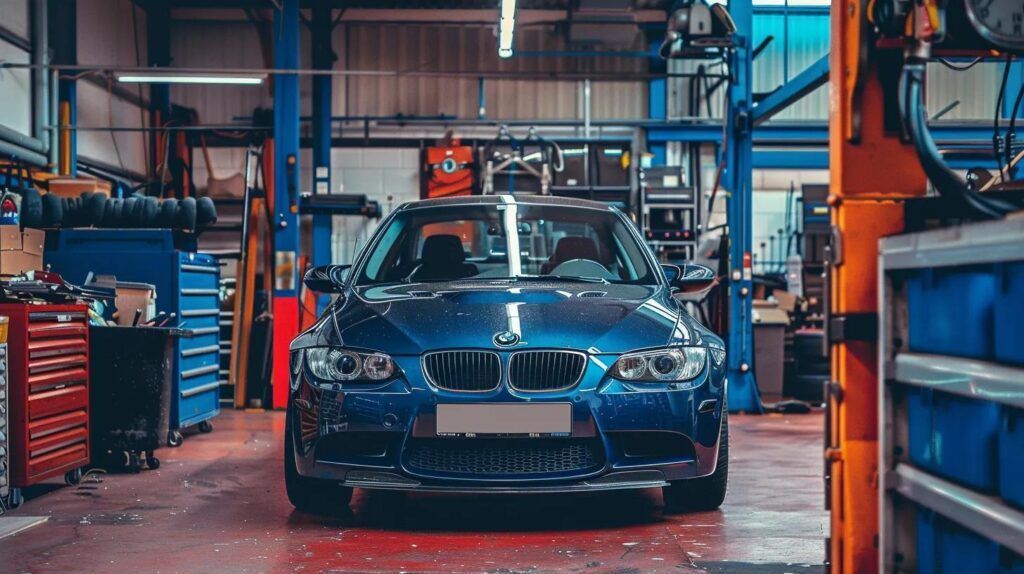
Keep your BMW in peak condition with our top servicing tips. Extend longevity and enhance performance with essential maintenance strategies for your vehicle.

5 Key Warning Signs Your Car’s Air Conditioning or Heating System Needs Service

This critical calibration process prevents your ADAS from dangerously malfunctioning—but most drivers don't realize when their systems drift out of alignment.
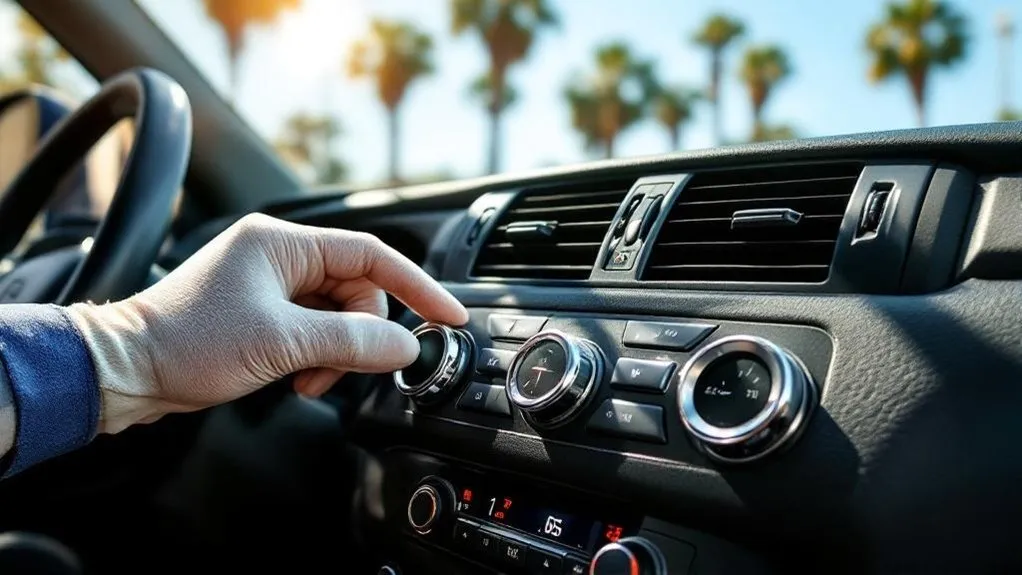
Keep your car's AC running efficiently through San Diego's intense summer heat with these critical maintenance steps that most drivers overlook.
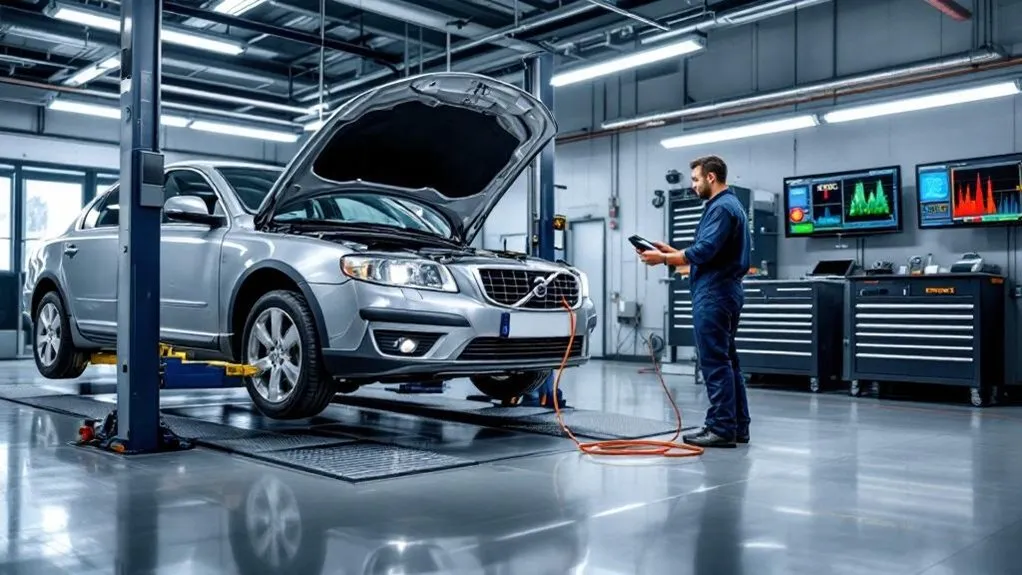
Discover how to find reliable engine diagnostic services in San Diego County for $100-150 without falling victim to costly scams.
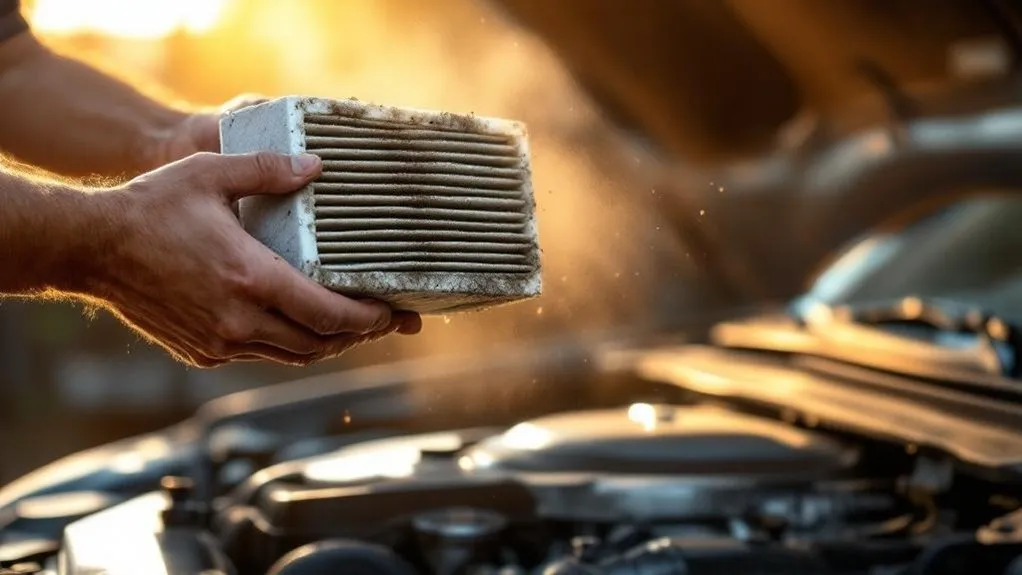
Unlock the secret strategies that guarantee your vehicle passes smog inspection on the first attempt without costly repairs or retests.
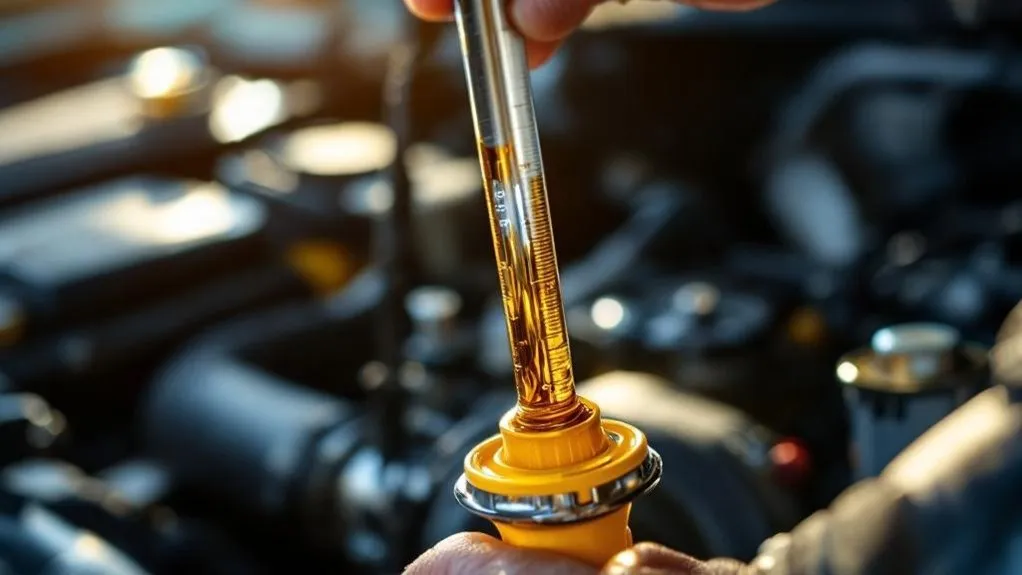
Here's how to check your oil level in minutes—but what that dark, mysterious residue on your dipstick reveals might surprise you.

Imagine preventing thousands in repair costs with simple inspections that catch expensive problems before they become financial disasters.