


Top 10 Tips to Pass Your Smog Inspection the First Time

To pass your smog inspection on the first try, warm up your engine for 20 minutes before testing and make sure your check engine light is off. Schedule a pre-inspection tune-up 1-2 weeks in advance, which includes oil changes and spark plug replacements. Use premium gasoline and consider using fuel system cleaners; then, run your vehicle for 100-200 miles afterward. Schedule testing during mild weather with a warm but not overheated engine, and ensure all documentation is current and readily accessible for optimal results.

Key Takeaways

  • Warm up your vehicle by driving for at least 20 minutes before testing to ensure emission control systems function correctly.
  • Complete a pre-inspection tune-up 1-2 weeks before the scheduled inspection, which includes oil changes, spark plug replacements, and PCV valve checks.
  • Use premium gasoline and consider using fuel system cleaners. Drive 100-200 miles afterward to circulate the additives throughout the system.
  • Ensure your check engine light is off and repair any visible exhaust system damage, such as holes or cracks.
  • Schedule testing during mild weather with a warm but not overheated engine, avoiding appointments immediately after highway trips.

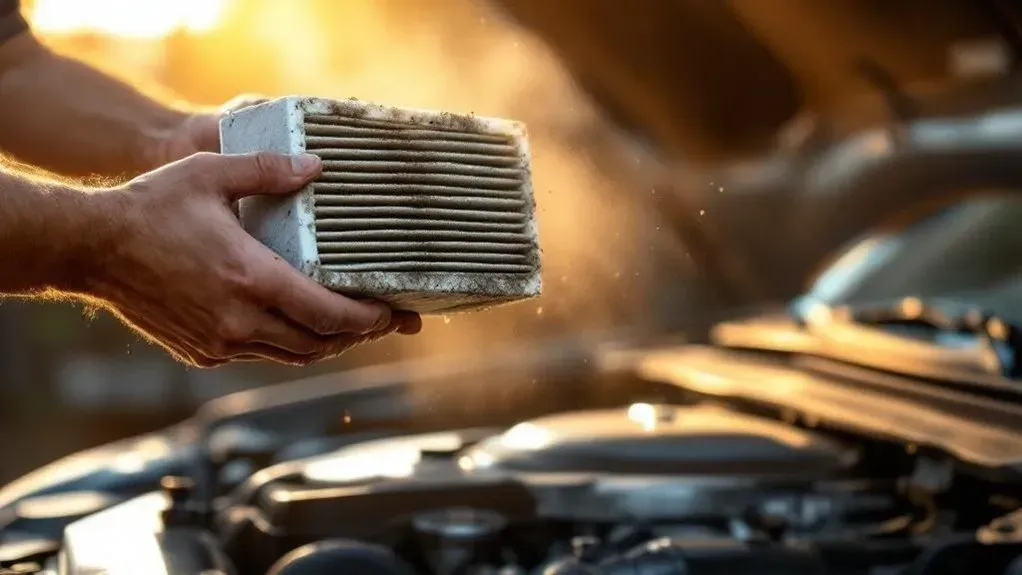
Check and Replace Your Air Filter Before Testing

Technician taking out dirty air filter (AI-Generated) | Euro Auto Tech & Smog

While a dirty air filter won’t directly cause you to fail a smog test, it can greatly impact your vehicle’s performance and emissions output.


A clogged filter restricts airflow to your engine, forcing it to work harder and burn fuel less efficiently. This creates higher emissions levels that could push you over acceptable limits.


Check your air filter’s condition before testing. If it’s darkened, clogged with debris, or hasn’t been replaced recently, swap it for a new one.


This simple maintenance step costs under $20 but can greatly improve your chances of passing by optimizing your engine’s air-to-fuel ratio.

Ensure Your Check Engine Light Is Off

If your check engine light is on, you’ll automatically fail your smog inspection before any emissions testing begins. The light indicates your vehicle’s computer detected a malfunction that could affect emissions performance.


You must diagnose and fix the underlying problem first. Common causes include faulty oxygen sensors, catalytic converter issues, or loose gas caps.


Visit a qualified mechanic to read diagnostic codes and identify the specific problem. Don’t ignore the light or disconnect the battery hoping it’ll reset – inspectors check for recent code clearing.


Address the root cause, guarantee repairs are complete, and verify the light stays off before scheduling your inspection.

Drive Your Vehicle for at Least 20 Minutes Prior to Testing

Woman sitting in car, driver's seat, focused on driving (AI-Generated) | Euro Auto Tech & Smog

After confirming your check engine light stays off, you’ll need to properly warm up your vehicle before heading to the inspection station. Your car’s emission control systems operate most effectively when the engine reaches ideal temperature. Drive continuously for at least 20 minutes at highway speeds to guarantee all systems function properly during testing.

Drive Time Engine Tempreature Emissions Performance
0-5 minutes Cold start High emissions
5-10 minutes Warming up Decreasing emissions
10-15 minutes Near ideal Improved performance
15-20 minutes Ideal range Best efficiency
20+ minutes Fully warmed Peak performance

This warm-up period activates your catalytic converter and stabilizes all emission components for accurate testing results.

Get a Pre-Inspection Tune-Up

You’ll greatly improve your chances of passing the smog inspection by scheduling a pre-inspection tune-up that addresses essential engine maintenance tasks.


The timing of your tune-up matters—complete it at least a week before your scheduled inspection to allow your vehicle’s systems to stabilize.


Focus on key maintenance areas like replacing worn spark plugs, changing dirty air filters, and updating engine oil to guarantee your car runs at peak efficiency during testing.

Essential Engine Maintenance Tasks

Several key maintenance tasks can greatly boost your vehicle’s chances of passing a smog inspection on the first try.


Change your engine oil and filter first, as clean oil helps your engine run efficiently and reduces harmful emissions.


Replace worn spark plugs to guarantee proper combustion and fuel efficiency.


Clean or replace your air filter since a clogged filter restricts airflow and increases emissions.


Check your PCV valve and replace it if necessary, as it controls crankcase ventilation.


Finally, inspect all vacuum hoses for cracks or leaks that could affect your engine’s performance and emission levels.

Timing Your Tune-Up

Completing these maintenance tasks sets the stage for proper timing of your tune-up appointment.


Schedule your pre-inspection tune-up 1-2 weeks before your smog test date. This timing allows your vehicle’s computer systems to reset and calibrate properly after any repairs or adjustments.


Consider these strategic timing factors:

  • Drive cycle completion – Your car needs 50-100 miles of mixed driving after tune-up work.
  • Monitor readiness – OBD-II systems require time to run diagnostic checks on emission components.
  • Buffer time – Early scheduling provides opportunity to address unexpected issues before your deadline.


You’ll maximize your chances of passing by giving systems adequate time to stabilize.

Use High-Quality Fuel and Consider Fuel Additives

Gas pump with container of fuel near vehicle (AI-Generated) | Euro Auto Tech & Smog

While many drivers overlook fuel quality’s impact on emissions, choosing premium gasoline can greatly improve your vehicle’s smog test performance.


Higher-octane fuel burns cleaner and reduces harmful emissions that smog tests measure. You’ll see better results when you fill up with top-tier gasoline from reputable stations rather than bargain brands.


Consider adding fuel system cleaners or catalytic converter cleaners to your tank before testing.


These additives remove carbon deposits from fuel injectors, valves, and exhaust components. Run your car for 100-200 miles after adding cleaners to verify they circulate properly throughout your engine’s fuel system.

Check Your Vehicle's Fluid Levels

Although proper fluid levels might seem unrelated to emissions testing, maintaining them directly affects your vehicle’s ability to pass smog inspections.


Low or contaminated fluids can cause your engine to run inefficiently, increasing harmful emissions.


Before your inspection, check these essential fluids:

  • Engine oil – Change dirty oil and replace the filter to guarantee peak engine performance
  • Coolant – Maintain proper levels to prevent overheating that can damage emission control components
  • Transmission fluid – Keep levels adequate to avoid strain on your engine during the testing process


Fresh fluids help your engine operate at peak efficiency, reducing emissions output.

Schedule Your Test at the Right Time

Vehicle inside of garage with technician performing diagnostics (AI-Generated) | Euro Auto Tech & Smog

Beyond preparing your vehicle mechanically, timing your smog inspection strategically can greatly impact your chances of passing.


Schedule your test when your car’s engine is warm but not overheated. Drive for 10-15 minutes before arriving to guarantee ideal operating temperature. Avoid testing immediately after long highway trips, as your engine may run too hot.


Don’t schedule during extreme weather conditions like heavy rain or excessive heat, which can affect emissions readings. Book appointments during weekdays when stations aren’t rushed.


If you’ve recently completed repairs, wait at least 100 miles of driving to allow your car’s computer systems to recalibrate properly.

Warm Up Your Engine Properly

How long should you warm up your engine before a smog test? You’ll want to drive for at least 15-20 minutes before arriving at the testing facility. This guarantees your engine reaches ideal operating temperature and your catalytic converter functions efficiently.


A properly warmed engine burns fuel more completely, reducing harmful emissions that could cause you to fail.


Here’s what you should do:

  • Drive on both city streets and highways to cycle through different RPM ranges
  • Avoid idling in your driveway, as this doesn’t effectively warm all engine components
  • Time your arrival so you don’t wait long periods after warming up


Your engine performs best when it’s hot.

Address Any Obvious Exhaust Issues

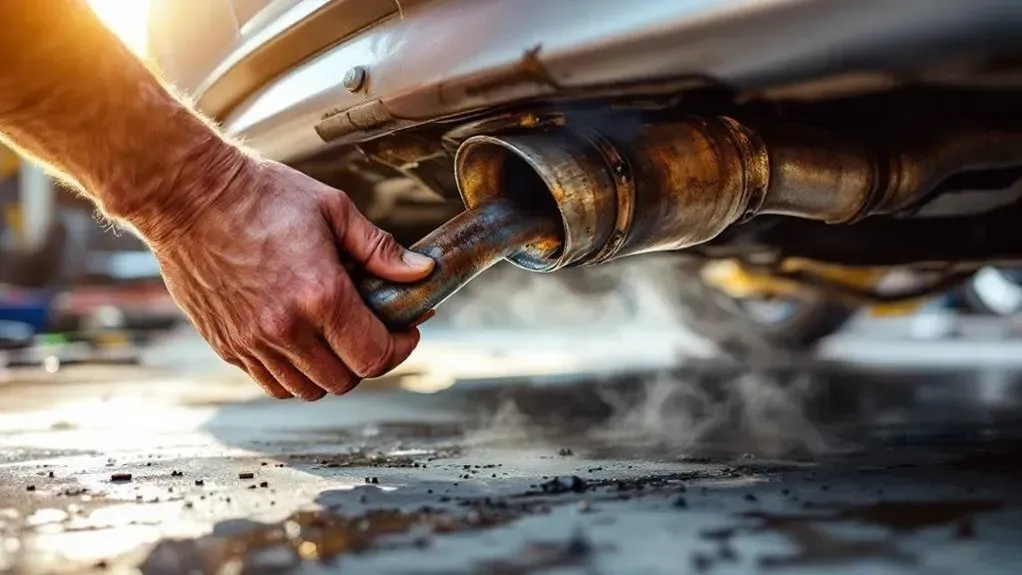
Man examining exhaust pipe of vehicle (AI-Generated) | Euro Auto Tech & Smog

Before you head to the smog inspection, take a few minutes to visually inspect your exhaust system for obvious problems that’ll guarantee failure.


Look for visible holes, cracks, or rust damage in your exhaust pipes and muffler. Check that your tailpipe isn’t hanging loose or dragging on the ground.


Listen for unusual sounds like rattling or loud rumbling that indicate internal damage. Black smoke from your tailpipe signals serious engine problems you’ll need to fix first.


If you spot any issues, get them repaired before scheduling your inspection. These obvious problems will cause automatic failure regardless of your emissions levels.

Keep Your Vehicle Registration and Insurance Current

While smog inspections focus on emissions testing, you can’t complete the process without proper documentation. Your vehicle registration and current insurance are mandatory requirements at most inspection stations.


Without these documents, you’ll be turned away regardless of your vehicle’s emissions performance.


Essential documentation includes:

  • Valid vehicle registration – Must be current and match your vehicle’s VIN
  • Proof of insurance – Current policy documentation showing active coverage
  • Driver’s license – Valid ID matching the vehicle owner or authorized driver


Check these documents before heading to your appointment.


Expired paperwork means rescheduling your inspection and potentially missing registration deadlines.

Frequently Asked Questions

What Happens if My Vehicle Fails the Smog Inspection?

If your vehicle fails the smog inspection, you’ll receive a detailed report explaining which emissions standards weren’t met.

You’ll need to get the necessary repairs done at a certified auto shop to fix the issues causing the failure.

Once repairs are completed, you’ll have to return for a re-inspection.

You typically get a grace period to complete repairs and pass the test before facing penalties or registration problems.


How Much Does a Typical Smog Inspection Cost?

You’ll typically pay between $30-$60 for a smog inspection, depending on your location and the testing station you choose.

Prices vary by state and local regulations, with some areas charging more due to stricter emissions standards. You might find slightly lower rates at independent shops compared to dealerships.

Don’t forget you’ll need to pay additional fees if your vehicle fails and requires repairs before retesting.


How Often Do I Need to Get a Smog Inspection?

You’ll need to get a smog inspection based on your state’s requirements, which vary considerably.

Most states require inspections every two years for vehicles over a certain age, typically 4-6 years old. Some states need annual checks, while others don’t require smog testing at all.

You’ll also need an inspection when you’re selling your vehicle or registering it in a new state that requires emissions testing.


Can I Get a Smog Inspection at Any Certified Station?

Yes, you can get a smog inspection at any state-certified smog check station.

You’re not restricted to a specific location or required to use the same station each time. However, you’ll want to verify that the station is properly licensed and authorized to perform smog tests in your state.

Some stations specialize in different vehicle types, so if you’ve got a diesel or older car, you might need to find one that handles your specific vehicle requirements.


What Documents Do I Need to Bring for the Inspection?

You’ll need to bring your vehicle registration, current insurance proof, and a valid driver’s license for the smog inspection.

Make sure your registration isn’t expired, as stations won’t perform the test without current documentation.

If you’re selling your vehicle, you’ll also need the pink slip or title.

Some stations might accept digital copies of insurance on your phone, but it’s safer to bring printed copies of all required documents.

When to DIY Vs Professional Repairs | Euro Auto Tech & Smog
October 2, 2026
There are some who enjoy working on their cars. A matter of fact, that’s usually how a lot of people become mechanics. There’s always something satisfying about being able to open your hood, figure things out and know how to fix the problem yourself. It’s the simple fixes here and there that really start to get you into the mindset that you can do anything with this vehicle. However, there is a time and place for everything. Sometimes, just because you can do it doesn’t mean you should do it. The smartest thing to do sometimes is to hand off your car to a professional to avoid costly risk. Professional mechanics have made tons of mistakes and have the infrastructure in place to mitigate some of that risk due to experience. If you’re a DIYer trying to figure out an engine when you’ve only done oil changes, you might be in for a rude awakening. Without the proper infrastructure to help you succeed, you’re looking at potentially making one huge costly mistake. Different types of cars have different functionalities. For instance, let’s look at European vehicles. Cars like BMW, Audi, Mercedes, have manufacturer-specific systems, specific tolerances, specialized fluids, interconnected computer systems, and advanced electronics. Now this doesn’t mean you can’t work on your own car, it means that you need to understand the difference between a simple quick fix and a complete replacement of a part. Here’s what every DIYer and car owner should know: 1. If it’s Complicated, Maybe You Need a Professional Not every repair requires you to go to the shop. If you’re an already experienced DIYer with the right tools, doing routine maintenance in your garage or driveway is absolutely fine. Things like Oil and filter changes Air and cabin filter changes Spark plugs (depending on the model) Windshield wipers Batteries These are all pretty simple fixes and easy maintenance. Now your car's regular scheduled maintenance intervals will be very handy in letting you know when to make these fixes. What’s more important is knowing how to replace the part and to know why the part needed to be replaced. Sometimes the answer is obvious, you drove 5k miles, now you need an oil change. Other times, the answer might not be so black and white. :For example, if you see an oil leak, that doesn’t automatically mean you need to start replacing gaskets. For some European engines there can be multiple leak points, and oil can travel from one area to another before it becomes visible. If you end up replacing the wrong part, then that doesn’t solve your problem, you just added another expense A good rule of thumb is, if you’re confident and you KNOW what you’re doing with the right tools and understand the right procedure, then go for it. Although, if you’re playing the guessing game, that’s usually when you should stop, diagnose the problem or get a second opinion before you start stripping parts. 2. Diagnostics Can Make DIY Expensive Diagnostics is where things will start getting expensive for DIYers. Just for the mere reason that trial and error is a huge undertaking. What do we mean? Let’s break it down. You get a scan tool. The scan tool gives you a fault code. You think you’ve diagnosed the problem. But that may not be everything associated with your problem. A diagnostic fault code is usually used as a compass, it points you in the direction you need to go, but it doesn’t always tell you what exactly is the problem. With modern Audis, BMWs, Mercedes and other european models can have several interconnected control modules that constantly monitor everything from the engine’s performance to transmission operation and emission systems. This is what separates the hobbyist from the professionals. Professional diagnostics involve multiple steps that include manufacturer-specific fault codes, live data feed from the car’s scan, testing electrical, properly checking parts for any faults, smoke testing, and many other procedures to identify what the root issue is. We know many that just use scan tools and think that clearing the codes fixes the problem. Oftentimes, you’re just kicking the can down the road. You can easily go from a static warning light to the light flashing and that’s when things can get bad really fast. If you see a flashing check engine light this very well could mean you have an active misfire and that will cause additional damage to a vehicle if you continue driving. Like we said, diagnostics are where things start to get expensive for a DIYer. Sometimes it’s just better to put the Youtube video down and take it to a professional. We don’t ever want to discourage anyone from learning, but there’s a time to learn and a time to know when something is beyond your current capabilities. 3. DIY Maintenance is Amazing, but Don’t Forget Precision DIY can be great, projects here and there are what got our start in this industry. But European vehicles tend to be a little less forgiving when the wrong fluid, part, torque specifications, or improper procedure is used. Let’s look at an oil change. It sounds easy, and technically, it can be. However, European engines can require specific oil formulations like LiquiMoly, certain filters, fill levels, and service procedures. Using the wrong oil or getting the fill level wrong can affect engine performance and longevity. That goes for transmissions too. 4. Refer to the Pros for Safety, Complex, and Major Repairs  Some repairs can have stakes that are simply just too large for a DIYer to tackle. Brakes, yeah sure, take care of it yourself. Suspension and steering, yeah, that’s a different story. Oil changes, of course, have at it. Engine repair, yeah no, sometimes it takes multiple techs to work on a single engine. The more sophisticated the job becomes the more you need to start deferring the job to a professional mechanic. Here’s such a list: ADAS - Advanced Driver and Assistance systems Windshield replacement Wheel alignment Suspension repairs Collision repairs Sensor replacement (depending upon the vehicle) Engine repairs Transmission repairs Electrical repairs Timing repairs 5. Sometimes Diagnostics Saves You Money If you’re a DIYer, a huge asset to your mechanical arsenal is being able to properly diagnose vehicles. It doesn’t just save you money to diagnose your car properly, but think about family, friends, neighbors, maybe even your coworkers. You can help many people with diagnostic skills, but that help becomes less effective once you hit the “I was trying to save money, so I started fixing it myself,” mindset. Don’t forget, we’ve been there, we get it, but sometimes less is more. With the cost of European repairs being so expensive, do you really want to spend money twice on something that could’ve been done once? Also, don’t just think about this in terms of money. If you work Monday-Friday that means you’re most likely going to be working on your vehicle/s on Saturday. On Saturday you’ll diagnose the car, then do trial and error spending money left and right until your entire Saturday is gone. Come Sunday, you’ve made no progress and have spent double the money, time, and energy into a job that is way above your skill level whereas you could’ve taken it to a professional and kept your Saturday. Don’t let these words deter you from learning how to fix your vehicle. These aren’t words to discourage you. Actually, it’s quite the opposite. We know the joy of fixing vehicles, there’s a sense of pride in it. However, we want you to set limitations, not on your ability to learn, but on your ability to tackle a problem alone when you need help. We’ve all been there. A leak caused because of an improperly installed gasket or a bolt missing from a critical part. Fixing vehicles can be so rewarding, but in doing so we take on the responsibility of dealing with several, if not, dozens of parts that are all a part of a greater network that we call a motor vehicle. Mistakes are expected, but huge mistakes can be costly in more ways than one. Money isn’t the only thing you can lose. So Much More for DIY Here’s a few things we’d like you to keep in mind: Use the correct fluids and quality parts Use the proper tools for the job Don’t ignore warning lights Keep an ear out for unusual noises Make sure to use the correct manufacturer specifications Understand the difference between diagnosing an issue and changing out parts If it’s a safety-critical repair and don’t know the proper repair procedure, DON’T do it Know when to call a professional before things get too bad Schedule Your Appointment Today
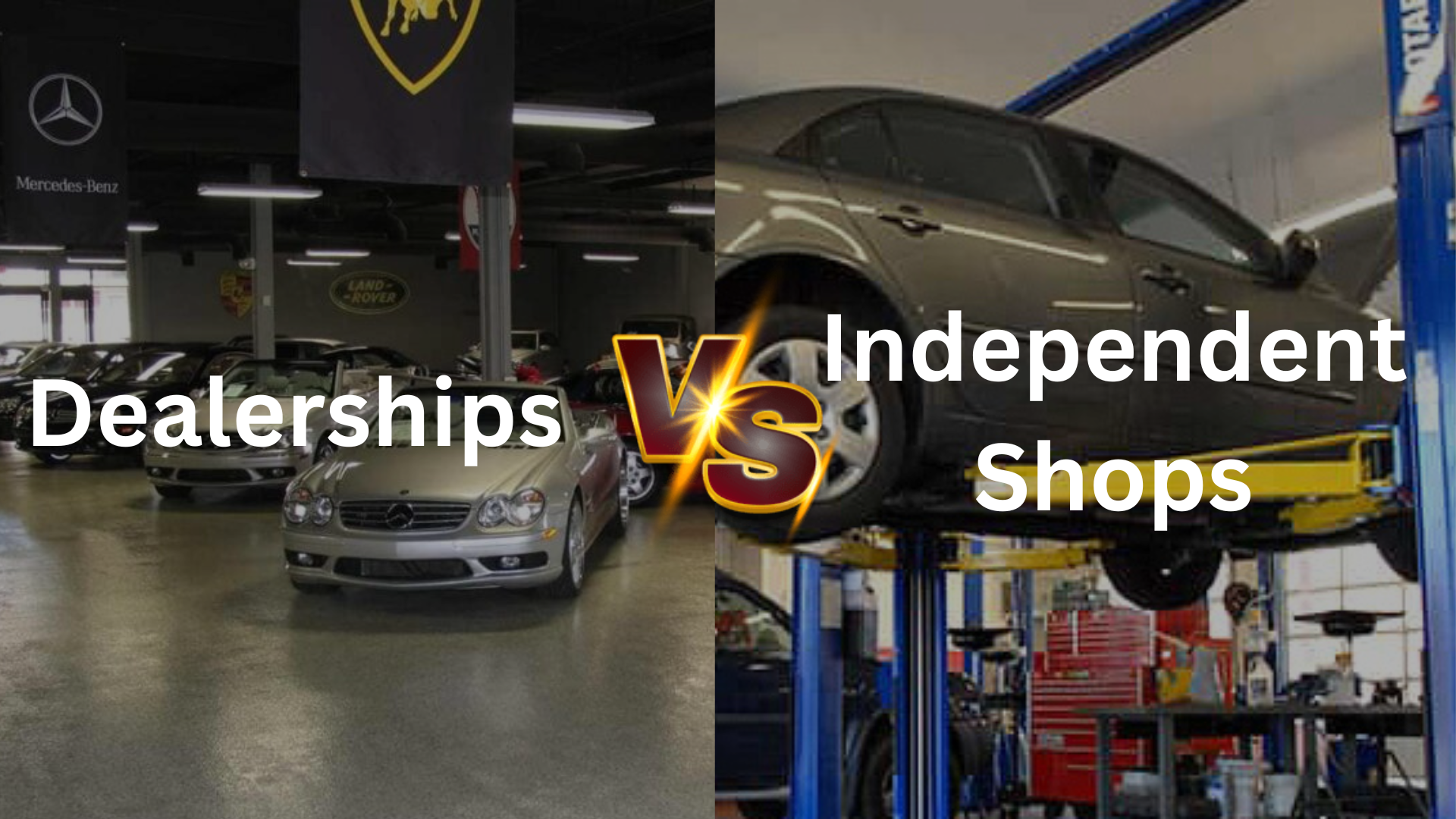
Cost Comparison: Shops vs Dealerships | Euro Auto Tech & Smog
September 25, 2026
At Euro Auto Tech & Smog, we are fully behind the “Right to Repair” and we believe customers should have the freedom to choose where they take their cars to get serviced.
Technician adjusting knob on engine of vehicle (AI-Generated) | Euro Auto Tech & Smog
February 26, 2026
Maintain your BMW's performance with essential maintenance tips. From regular inspections to fluid checks, ensure your car runs smoothly for years to come.
Blue BMW car parked inside of garage (AI-Generated) | Euro Auto Tech & Smog
January 16, 2026
Keep your BMW in peak condition with our top servicing tips. Extend longevity and enhance performance with essential maintenance strategies for your vehicle.
Cold air from the air conditioning dashboard of the car (AI-Generated) | Euro Auto Tech & Smog
December 15, 2025
5 Key Warning Signs Your Car’s Air Conditioning or Heating System Needs Service
Up close to rain drops outside of black vehicle (AI-Generated) | Euro Auto Tech & Smog
November 27, 2025
This critical calibration process prevents your ADAS from dangerously malfunctioning—but most drivers don't realize when their systems drift out of alignment.
Technician adjusting knob on dashboard (AI-Generated) | Euro Auto Tech & Smog
August 21, 2025
Keep your car's AC running efficiently through San Diego's intense summer heat with these critical maintenance steps that most drivers overlook.
Car inside garage on lift with technician performing diagnostic (AI-Generated) | Euro Auto Tech & Smog
August 21, 2025
Discover how to find reliable engine diagnostic services in San Diego County for $100-150 without falling victim to costly scams.
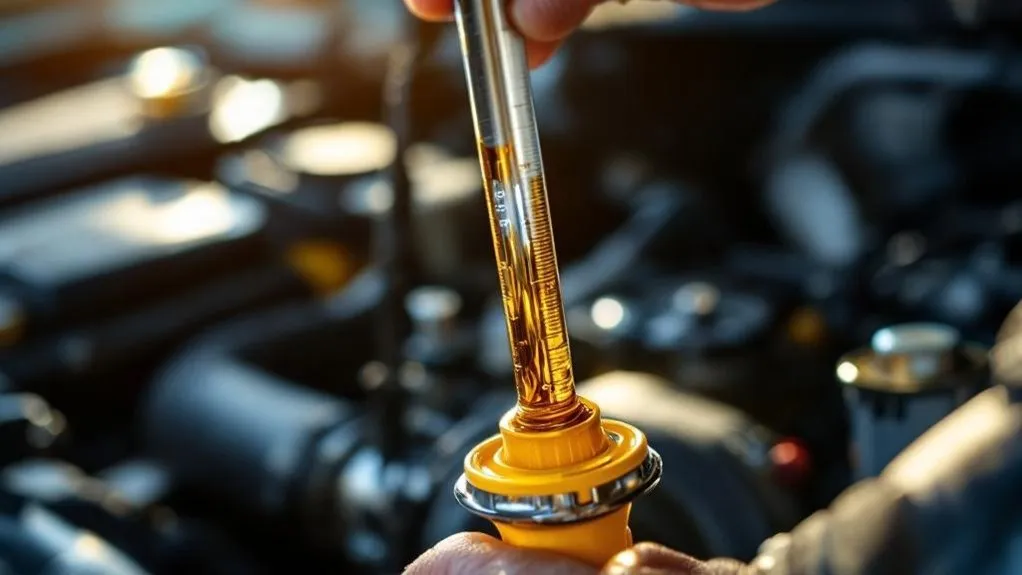
Oil being poured into car | Euro Auto Tech & Smog
July 22, 2025
Here's how to check your oil level in minutes—but what that dark, mysterious residue on your dipstick reveals might surprise you.
Two cars in garage, one car on lift and one car with the hood up (AI-Generated) | Euro Auto Tech & Smog
June 24, 2025
Imagine preventing thousands in repair costs with simple inspections that catch expensive problems before they become financial disasters.