


Why ADAS Calibration Matters: Keeping Your Advanced Driver-Assist Systems Accurate

Your ADAS features depend on precisely calibrated sensors to function safely and effectively. Even minor misalignments from routine services like windshield replacement, wheel alignments, or suspension repairs can cause dangerous malfunctions—triggering false emergency braking, missing lane departures, or failing to detect obstacles. You’ll notice warning lights, inconsistent cruise control distances, or blind spot monitoring errors when calibration drifts. Professional recalibration costs $150-800 but prevents potentially life-threatening system failures that could otherwise compromise your vehicle’s safety technologies.

Key Takeaways

  • ADAS effectiveness depends on precise sensor calibration, as minor misalignments can cause dangerous system malfunctions and compromised safety features.
  • Common vehicle services like windshield replacement, wheel alignments, and suspension repairs can disrupt sensor positioning and require recalibration.
  • Warning signs include dashboard error messages, incorrect lane-departure alerts, inconsistent cruise control, and false emergency-braking activations.
  • Proper calibration prevents accidents by ensuring that sensors accurately detect obstacles, lane markings, traffic signs, and other vehicles in real time.
  • Professional calibration costs $150-$800 but is an essential investment for maintaining system reliability and preventing potentially life-threatening failures.

What Are Advanced Driver-Assistance Systems and How Do They Work?

Up close to rain drops outside of black vehicle (AI-Generated) | Euro Auto Tech & Smog

Advanced Driver-Assistance Systems (ADAS) represent a collection of electronic technologies that help you drive more safely by automating, adapting, and enhancing vehicle systems.


These systems use sensors, cameras, radar, and lidar to monitor your vehicle’s surroundings continuously. They detect obstacles, lane markings, traffic signs, and other vehicles to provide real-time feedback and intervention.


ADAS features include automatic emergency braking, blind-spot monitoring, lane-departure warning, adaptive cruise control, and parking assistance.


When these systems detect potential hazards, they’ll alert you through visual, auditory, or tactile warnings, and some can automatically apply brakes or adjust steering to prevent collisions.

The Critical Role of Precision in ADAS Sensor Technology

While ADAS technology offers impressive capabilities, its effectiveness depends entirely on the accuracy of its sensor systems. Your vehicle’s cameras, radar, and LiDAR sensors must be precisely calibrated to function properly.


Even minor misalignments can cause dangerous malfunctions—your automatic emergency braking might activate too late, or lane-keeping assistance could steer you incorrectly.


These sensors work together as a network, constantly measuring distances, detecting objects, and monitoring your vehicle’s position. When one sensor’s calibration drifts, it affects the entire system’s performance.


That’s why precision isn’t just important—it’s essential for your safety and the reliability of every ADAS feature you depend on.

Common Services That Require ADAS Recalibration

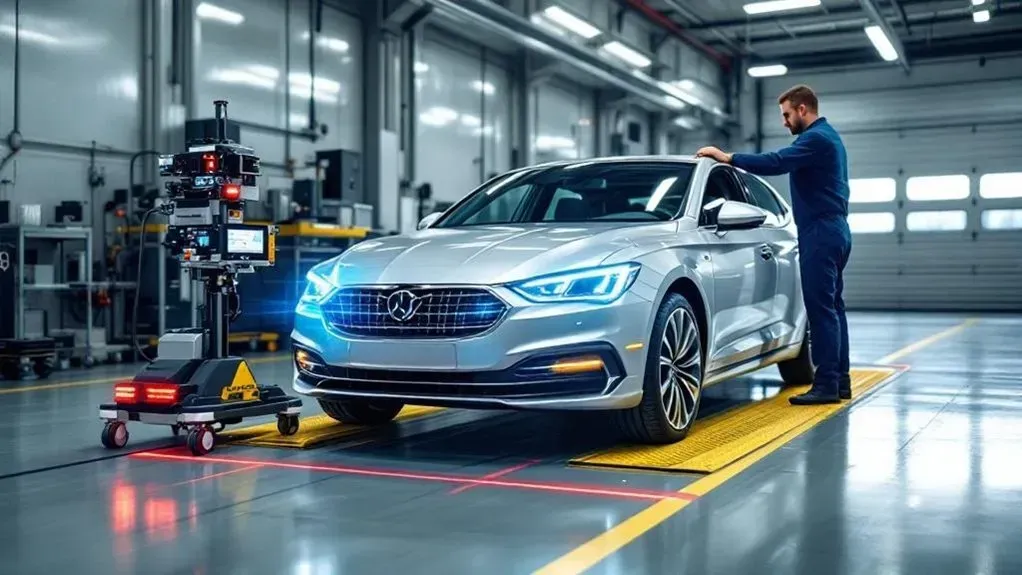
Technician examining white car inside of garage (AI-Generated) | Euro Auto Tech & Smog

Many routine automotive services can unknowingly disrupt the precise calibration of your ADAS sensors.


Windshield replacement affects forward-facing cameras, requiring immediate recalibration.


Wheel alignments alter your vehicle’s geometry, throwing off radar and camera positioning.


Suspension repairs change ride height and angles, impacting sensor accuracy.


Body work after accidents often shifts sensor mounting points.


Even tire replacements with different sizes can affect system performance.


Dashboard removal for repairs may disturb camera modules.


Paintwork near sensors can interfere with their operation.


What seems like standard maintenance can compromise the effectiveness of your safety systems, making post-service ADAS recalibration essential for peak performance.

Warning Signs Your ADAS May Need Calibration

How can you tell when your ADAS systems aren’t functioning correctly? Several warning signs indicate calibration issues.


Your dashboard displays ADAS error messages or warning lights that won’t disappear. Lane departure warnings activate incorrectly when you’re driving straight, or they fail to alert you during actual lane drifts.


Adaptive cruise control maintains inconsistent following distances or brakes unexpectedly. Automatic emergency braking triggers false alarms or doesn’t respond to genuine hazards.


Blind-spot monitoring fails to detect vehicles or issues constant false alerts. Parking sensors beep incorrectly or miss obstacles entirely.


These symptoms require immediate professional attention.

Static vs. Dynamic ADAS Calibration Methods

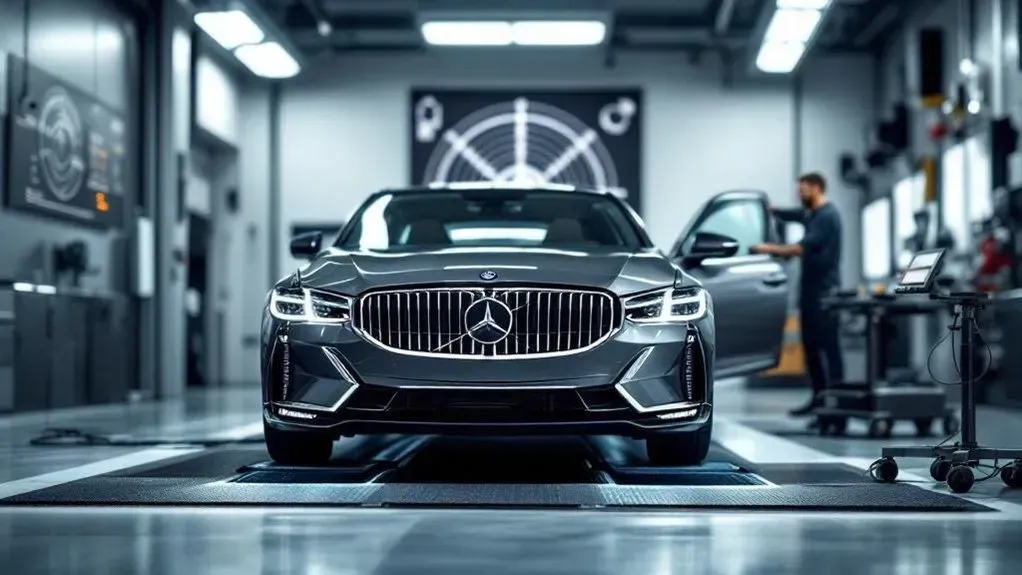
Technician performing analysis on silver vehicle inside garage, opening car door (AI-Generated) | Euro Auto Tech & Smog

When your vehicle needs ADAS calibration, technicians can choose between two primary methods: static and dynamic calibration.


Static calibration is performed in a controlled shop environment using specialized targets and equipment positioned at precise distances from your vehicle—this method’s ideal for sensors that require exact positioning references.


Dynamic calibration occurs while you’re driving on actual roads under specific conditions. Your vehicle’s systems learn and adjust using real-world data, such as lane markings and traffic patterns.


Some vehicles require one method, others need both. Your technician will determine the correct approach based on your vehicle’s manufacturer specifications and affected systems.

The Dangers of Driving With Uncalibrated Safety Systems

While your car’s ADAS features might appear to function normally after repairs or windshield replacement, uncalibrated systems create a dangerous false sense of security. Your safety features could activate too late, fail, or trigger unnecessarily, potentially causing accidents instead of preventing them.

Uncalibrated System Potential Danger
Automatic Emergency Braking Late activation or phantom braking
Lane Keep Assist Incorrect steering corrections
Adaptive Cruise Control Improper following distances
Blind Spot Monitoring Missed vehicle detection

You’re fundamentally driving with compromised safety nets that can’t protect you when you need them most.

Professional ADAS Calibration Equipment and Procedures

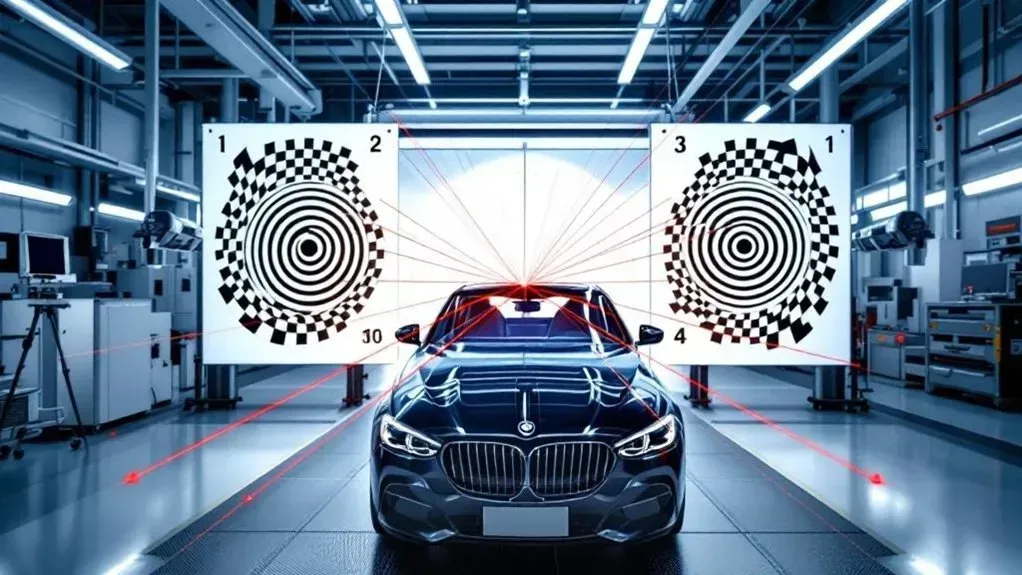
Black car being examined inside garage (AI-Generated) | Euro Auto Tech & Smog

Precision drives every aspect of professional ADAS calibration, requiring specialized equipment that costs tens of thousands of dollars and expertise that takes years to develop.


You can’t calibrate these systems with basic tools. Technicians use laser-guided alignment boards, radar reflectors, and camera targets positioned at exact distances and angles.


They’ll follow manufacturer-specific procedures that vary dramatically between vehicle makes and models. Each sensor demands unique calibration protocols, from ultrasonic parking sensors to adaptive cruise control radars.


You’re trusting your safety to these precise measurements, so don’t settle for shortcuts or inexperienced shops lacking proper equipment.

Cost Considerations for ADAS Calibration Services

Although ADAS calibration costs might initially shock you, they’re reasonable when you consider the sophisticated equipment and expertise involved.


You’ll typically pay $150-$800 per calibration, depending on your vehicle’s complexity and required systems. Multiple sensors need simultaneous recalibration, increasing costs but ensuring greater accuracy.


Don’t skimp on calibration to save money. Improperly functioning ADAS can cause accidents, resulting in thousands of dollars in damages, injuries, or worse.


Insurance may not cover incidents caused by uncalibrated systems. Factor calibration costs into your maintenance budget—it’s an essential safety investment, not an optional expense.


Quality calibration protects your investment and passengers.

Maintaining Your Vehicle's Safety Systems for Optimal Performance

White car inside garage being scanned/analyzed (AI-Generated) | Euro Auto Tech & Smog

Once your ADAS systems are properly calibrated, you’ll need consistent maintenance to keep them performing at peak.


Clean sensors and cameras regularly, removing dirt, snow, and debris that can obstruct their view.


Don’t ignore dashboard warning lights—they’re early indicators of system malfunctions.


Schedule routine inspections with certified technicians who understand ADAS technology.


After any collision repair, windshield replacement, or suspension work, recalibrate affected systems immediately.


Check your owner’s manual for manufacturer-specific maintenance intervals and requirements.


Proper tire pressure and wheel alignment also impact sensor accuracy.


Consistent upkeep guarantees your safety systems protect you when you need them most.

Frequently Asked Questions

How Often Should ADAS Systems Be Calibrated on Newer Vehicles?

You should calibrate your ADAS systems whenever you’ve had windshield replacement, suspension work, wheel alignment, or collision repairs.

Most manufacturers don’t specify regular intervals for newer vehicles, but you’ll want calibration after any service affecting cameras, sensors, or vehicle geometry.

If you’re experiencing warning lights, false alerts, or system malfunctions, that’s your cue to get calibration done immediately to guarantee your safety features work correctly.


Can I Drive My Car Immediately After ADAS Calibration Is Completed?

Yes, you can typically drive your car immediately after ADAS calibration is completed.

However, you should take a short test drive to verify that all systems are functioning correctly before resuming everyday driving.

Please pay attention to features such as lane departure warnings, automatic emergency braking, and adaptive cruise control to ensure they’re working correctly.

If you notice any issues or warning lights, return to your technician immediately for further inspection.


Will My Car Insurance Cover ADAS Calibration After an Accident?

Your car insurance will likely cover ADAS calibration after an accident if it’s part of necessary repairs.

Most extensive and collision coverage includes calibration costs when your vehicle’s cameras or sensors need realignment due to accident damage.

However, you’ll need to check your specific policy terms and work with approved repair shops.

Don’t assume it’s covered – contact your insurance company to confirm coverage before scheduling the calibration service.


Do All Repair Shops Have the Equipment to Calibrate ADAS Systems?

No, not all repair shops have ADAS calibration equipment.

You’ll need to find a shop with specialized tools and trained technicians. Many traditional body shops don’t invest in this expensive equipment yet.

Look for certified collision centers, dealerships, or shops that specifically advertise ADAS services.

Before choosing a repair facility, ask whether they can calibrate your vehicle’s specific systems.


Don’t assume every shop can handle this advanced technology.

Can Weather Conditions Affect When ADAS Calibration Should Be Performed?

Yes, weather conditions can significantly affect when you should perform ADAS calibration.

You shouldn’t calibrate during rain, snow, fog, or extreme temperatures, as these conditions can interfere with sensor accuracy and proper alignment.

You’ll get the most reliable results when you calibrate in clear, dry conditions with good visibility and moderate temperatures.

Poor weather can cause incorrect calibrations that’ll compromise your vehicle’s safety systems, so it’s best to wait for ideal conditions.

Conclusion

Don’t let your ADAS systems become a liability instead of a lifeline. You’ve invested in cutting-edge safety technology, so you’ll want to maintain it properly through regular calibration. Whether you’re dealing with windshield replacement, collision damage, or routine maintenance, you can’t afford to skip ADAS recalibration. Trust qualified technicians with proper equipment to keep your systems accurate. Your safety and that of others depend on it.


Your ADAS features depend on precisely calibrated sensors to function safely and effectively. Even minor misalignments from routine services like windshield replacement, wheel alignments, or suspension repairs can cause dangerous malfunctions—triggering false emergency braking, missing lane departures, or failing to detect obstacles. You’ll notice warning lights, inconsistent cruise control distances, or blind spot monitoring errors when calibration drifts. Professional recalibration costs $150-800 but prevents potentially life-threatening system failures that could otherwise compromise your vehicle’s safety technologies.

When to DIY Vs Professional Repairs | Euro Auto Tech & Smog
October 2, 2026
There are some who enjoy working on their cars. A matter of fact, that’s usually how a lot of people become mechanics. There’s always something satisfying about being able to open your hood, figure things out and know how to fix the problem yourself. It’s the simple fixes here and there that really start to get you into the mindset that you can do anything with this vehicle. However, there is a time and place for everything. Sometimes, just because you can do it doesn’t mean you should do it. The smartest thing to do sometimes is to hand off your car to a professional to avoid costly risk. Professional mechanics have made tons of mistakes and have the infrastructure in place to mitigate some of that risk due to experience. If you’re a DIYer trying to figure out an engine when you’ve only done oil changes, you might be in for a rude awakening. Without the proper infrastructure to help you succeed, you’re looking at potentially making one huge costly mistake. Different types of cars have different functionalities. For instance, let’s look at European vehicles. Cars like BMW, Audi, Mercedes, have manufacturer-specific systems, specific tolerances, specialized fluids, interconnected computer systems, and advanced electronics. Now this doesn’t mean you can’t work on your own car, it means that you need to understand the difference between a simple quick fix and a complete replacement of a part. Here’s what every DIYer and car owner should know: 1. If it’s Complicated, Maybe You Need a Professional Not every repair requires you to go to the shop. If you’re an already experienced DIYer with the right tools, doing routine maintenance in your garage or driveway is absolutely fine. Things like Oil and filter changes Air and cabin filter changes Spark plugs (depending on the model) Windshield wipers Batteries These are all pretty simple fixes and easy maintenance. Now your car's regular scheduled maintenance intervals will be very handy in letting you know when to make these fixes. What’s more important is knowing how to replace the part and to know why the part needed to be replaced. Sometimes the answer is obvious, you drove 5k miles, now you need an oil change. Other times, the answer might not be so black and white. :For example, if you see an oil leak, that doesn’t automatically mean you need to start replacing gaskets. For some European engines there can be multiple leak points, and oil can travel from one area to another before it becomes visible. If you end up replacing the wrong part, then that doesn’t solve your problem, you just added another expense A good rule of thumb is, if you’re confident and you KNOW what you’re doing with the right tools and understand the right procedure, then go for it. Although, if you’re playing the guessing game, that’s usually when you should stop, diagnose the problem or get a second opinion before you start stripping parts. 2. Diagnostics Can Make DIY Expensive Diagnostics is where things will start getting expensive for DIYers. Just for the mere reason that trial and error is a huge undertaking. What do we mean? Let’s break it down. You get a scan tool. The scan tool gives you a fault code. You think you’ve diagnosed the problem. But that may not be everything associated with your problem. A diagnostic fault code is usually used as a compass, it points you in the direction you need to go, but it doesn’t always tell you what exactly is the problem. With modern Audis, BMWs, Mercedes and other european models can have several interconnected control modules that constantly monitor everything from the engine’s performance to transmission operation and emission systems. This is what separates the hobbyist from the professionals. Professional diagnostics involve multiple steps that include manufacturer-specific fault codes, live data feed from the car’s scan, testing electrical, properly checking parts for any faults, smoke testing, and many other procedures to identify what the root issue is. We know many that just use scan tools and think that clearing the codes fixes the problem. Oftentimes, you’re just kicking the can down the road. You can easily go from a static warning light to the light flashing and that’s when things can get bad really fast. If you see a flashing check engine light this very well could mean you have an active misfire and that will cause additional damage to a vehicle if you continue driving. Like we said, diagnostics are where things start to get expensive for a DIYer. Sometimes it’s just better to put the Youtube video down and take it to a professional. We don’t ever want to discourage anyone from learning, but there’s a time to learn and a time to know when something is beyond your current capabilities. 3. DIY Maintenance is Amazing, but Don’t Forget Precision DIY can be great, projects here and there are what got our start in this industry. But European vehicles tend to be a little less forgiving when the wrong fluid, part, torque specifications, or improper procedure is used. Let’s look at an oil change. It sounds easy, and technically, it can be. However, European engines can require specific oil formulations like LiquiMoly, certain filters, fill levels, and service procedures. Using the wrong oil or getting the fill level wrong can affect engine performance and longevity. That goes for transmissions too. 4. Refer to the Pros for Safety, Complex, and Major Repairs  Some repairs can have stakes that are simply just too large for a DIYer to tackle. Brakes, yeah sure, take care of it yourself. Suspension and steering, yeah, that’s a different story. Oil changes, of course, have at it. Engine repair, yeah no, sometimes it takes multiple techs to work on a single engine. The more sophisticated the job becomes the more you need to start deferring the job to a professional mechanic. Here’s such a list: ADAS - Advanced Driver and Assistance systems Windshield replacement Wheel alignment Suspension repairs Collision repairs Sensor replacement (depending upon the vehicle) Engine repairs Transmission repairs Electrical repairs Timing repairs 5. Sometimes Diagnostics Saves You Money If you’re a DIYer, a huge asset to your mechanical arsenal is being able to properly diagnose vehicles. It doesn’t just save you money to diagnose your car properly, but think about family, friends, neighbors, maybe even your coworkers. You can help many people with diagnostic skills, but that help becomes less effective once you hit the “I was trying to save money, so I started fixing it myself,” mindset. Don’t forget, we’ve been there, we get it, but sometimes less is more. With the cost of European repairs being so expensive, do you really want to spend money twice on something that could’ve been done once? Also, don’t just think about this in terms of money. If you work Monday-Friday that means you’re most likely going to be working on your vehicle/s on Saturday. On Saturday you’ll diagnose the car, then do trial and error spending money left and right until your entire Saturday is gone. Come Sunday, you’ve made no progress and have spent double the money, time, and energy into a job that is way above your skill level whereas you could’ve taken it to a professional and kept your Saturday. Don’t let these words deter you from learning how to fix your vehicle. These aren’t words to discourage you. Actually, it’s quite the opposite. We know the joy of fixing vehicles, there’s a sense of pride in it. However, we want you to set limitations, not on your ability to learn, but on your ability to tackle a problem alone when you need help. We’ve all been there. A leak caused because of an improperly installed gasket or a bolt missing from a critical part. Fixing vehicles can be so rewarding, but in doing so we take on the responsibility of dealing with several, if not, dozens of parts that are all a part of a greater network that we call a motor vehicle. Mistakes are expected, but huge mistakes can be costly in more ways than one. Money isn’t the only thing you can lose. So Much More for DIY Here’s a few things we’d like you to keep in mind: Use the correct fluids and quality parts Use the proper tools for the job Don’t ignore warning lights Keep an ear out for unusual noises Make sure to use the correct manufacturer specifications Understand the difference between diagnosing an issue and changing out parts If it’s a safety-critical repair and don’t know the proper repair procedure, DON’T do it Know when to call a professional before things get too bad Schedule Your Appointment Today

Cost Comparison: Shops vs Dealerships | Euro Auto Tech & Smog
September 25, 2026
At Euro Auto Tech & Smog, we are fully behind the “Right to Repair” and we believe customers should have the freedom to choose where they take their cars to get serviced.
Technician adjusting knob on engine of vehicle (AI-Generated) | Euro Auto Tech & Smog
February 26, 2026
Maintain your BMW's performance with essential maintenance tips. From regular inspections to fluid checks, ensure your car runs smoothly for years to come.
Blue BMW car parked inside of garage (AI-Generated) | Euro Auto Tech & Smog
January 16, 2026
Keep your BMW in peak condition with our top servicing tips. Extend longevity and enhance performance with essential maintenance strategies for your vehicle.
Cold air from the air conditioning dashboard of the car (AI-Generated) | Euro Auto Tech & Smog
December 15, 2025
5 Key Warning Signs Your Car’s Air Conditioning or Heating System Needs Service
Technician adjusting knob on dashboard (AI-Generated) | Euro Auto Tech & Smog
August 21, 2025
Keep your car's AC running efficiently through San Diego's intense summer heat with these critical maintenance steps that most drivers overlook.
Car inside garage on lift with technician performing diagnostic (AI-Generated) | Euro Auto Tech & Smog
August 21, 2025
Discover how to find reliable engine diagnostic services in San Diego County for $100-150 without falling victim to costly scams.
Technician taking out dirty air filter (AI-Generated) | Euro Auto Tech & Smog
July 22, 2025
Unlock the secret strategies that guarantee your vehicle passes smog inspection on the first attempt without costly repairs or retests.
Oil being poured into car | Euro Auto Tech & Smog
July 22, 2025
Here's how to check your oil level in minutes—but what that dark, mysterious residue on your dipstick reveals might surprise you.
Two cars in garage, one car on lift and one car with the hood up (AI-Generated) | Euro Auto Tech & Smog
June 24, 2025
Imagine preventing thousands in repair costs with simple inspections that catch expensive problems before they become financial disasters.