There are some who enjoy working on their cars. A matter of fact, that’s usually how a lot of people become mechanics. There’s always something satisfying about being able to open your hood, figure things out and know how to fix the problem yourself. It’s the simple fixes here and there that really start to get you into the mindset that you can do anything with this vehicle.
However, there is a time and place for everything. Sometimes, just because you can do it doesn’t mean you should do it. The smartest thing to do sometimes is to hand off your car to a professional to avoid costly risk. Professional mechanics have made tons of mistakes and have the infrastructure in place to mitigate some of that risk due to experience. If you’re a DIYer trying to figure out an engine when you’ve only done oil changes, you might be in for a rude awakening. Without the proper infrastructure to help you succeed, you’re looking at potentially making one huge costly mistake.
Different types of cars have different functionalities. For instance, let’s look at European vehicles. Cars like BMW, Audi, Mercedes, have manufacturer-specific systems, specific tolerances, specialized fluids, interconnected computer systems, and advanced electronics. Now this doesn’t mean you can’t work on your own car, it means that you need to understand the difference between a simple quick fix and a complete replacement of a part.
Here’s what every DIYer and car owner should know:
1. If it’s Complicated, Maybe You Need a Professional
Not every repair requires you to go to the shop.
If you’re an already experienced DIYer with the right tools, doing routine maintenance in your garage or driveway is absolutely fine.
Things like
- Oil and filter changes
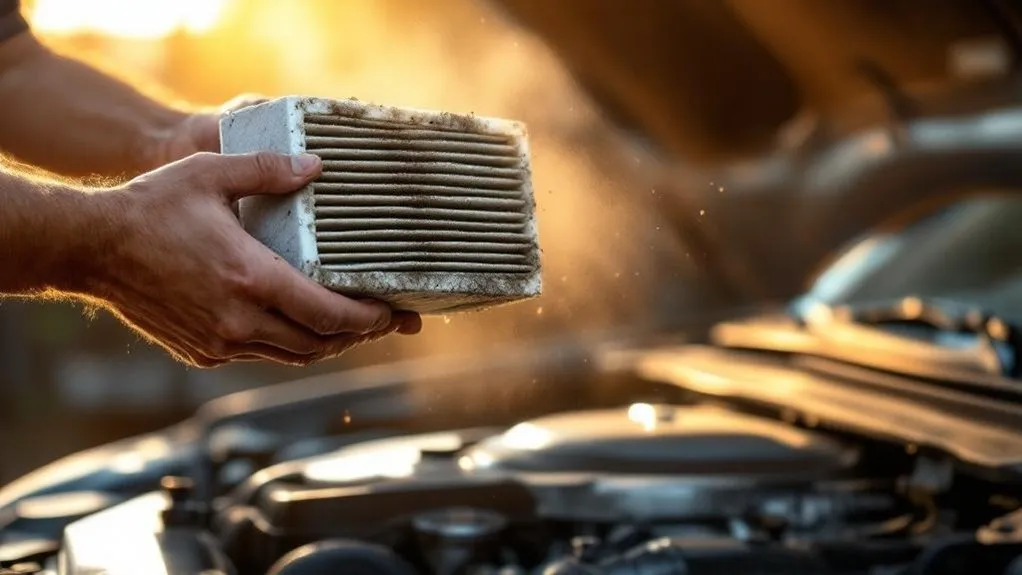
- Air and cabin filter changes
- Spark plugs (depending on the model)
- Windshield wipers
- Batteries
These are all pretty simple fixes and easy maintenance.
Now your car's regular scheduled maintenance intervals will be very handy in letting you know when to make these fixes. What’s more important is knowing how to replace the part and to know why the part needed to be replaced. Sometimes the answer is obvious, you drove 5k miles, now you need an oil change. Other times, the answer might not be so black and white.
:For example, if you see an oil leak, that doesn’t automatically mean you need to start replacing gaskets. For some European engines there can be multiple leak points, and oil can travel from one area to another before it becomes visible. If you end up replacing the wrong part, then that doesn’t solve your problem, you just added another expense
A good rule of thumb is, if you’re confident and you KNOW what you’re doing with the right tools and understand the right procedure, then go for it. Although, if you’re playing the guessing game, that’s usually when you should stop, diagnose the problem or get a second opinion before you start stripping parts.
2. Diagnostics Can Make DIY Expensive
Diagnostics is where things will start getting expensive for DIYers. Just for the mere reason that trial and error is a huge undertaking. What do we mean? Let’s break it down.
You get a scan tool. The scan tool gives you a fault code. You think you’ve diagnosed the problem. But that may not be everything associated with your problem.
A diagnostic fault code is usually used as a compass, it points you in the direction you need to go, but it doesn’t always tell you what exactly is the problem. With modern Audis, BMWs, Mercedes and other european models can have several interconnected control modules that constantly monitor everything from the engine’s performance to transmission operation and emission systems. This is what separates the hobbyist from the professionals.
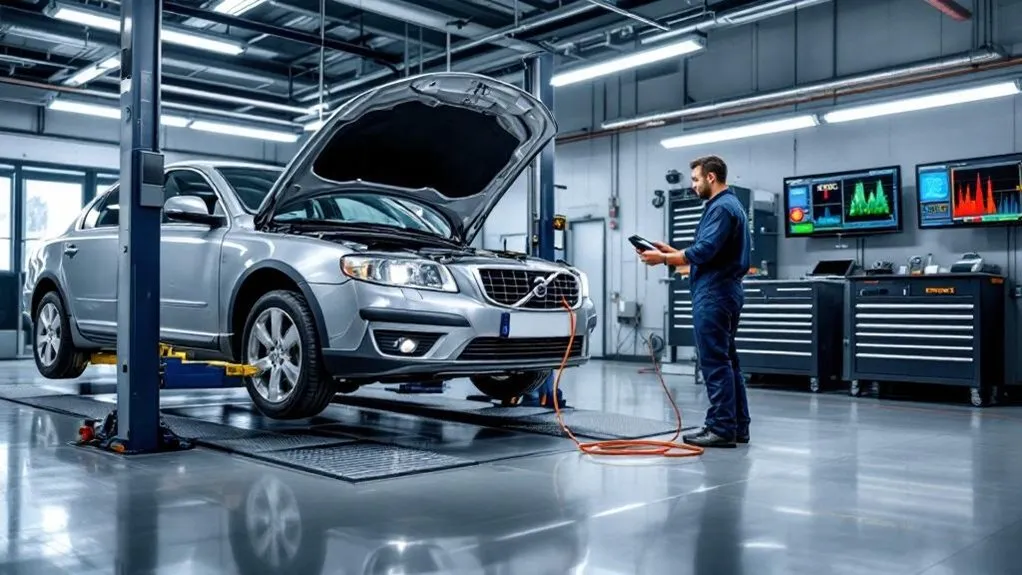
Professional diagnostics involve multiple steps that include manufacturer-specific fault codes, live data feed from the car’s scan, testing electrical, properly checking parts for any faults, smoke testing, and many other procedures to identify what the root issue is.
We know many that just use scan tools and think that clearing the codes fixes the problem. Oftentimes, you’re just kicking the can down the road. You can easily go from a static warning light to the light flashing and that’s when things can get bad really fast. If you see a flashing check engine light this very well could mean you have an active misfire and that will cause additional damage to a vehicle if you continue driving.
Like we said, diagnostics are where things start to get expensive for a DIYer. Sometimes it’s just better to put the Youtube video down and take it to a professional. We don’t ever want to discourage anyone from learning, but there’s a time to learn and a time to know when something is beyond your current capabilities.
3. DIY Maintenance is Amazing, but Don’t Forget Precision
DIY can be great, projects here and there are what got our start in this industry. But European vehicles tend to be a little less forgiving when the wrong fluid, part, torque specifications, or improper procedure is used. Let’s look at an oil change. It sounds easy, and technically, it can be.
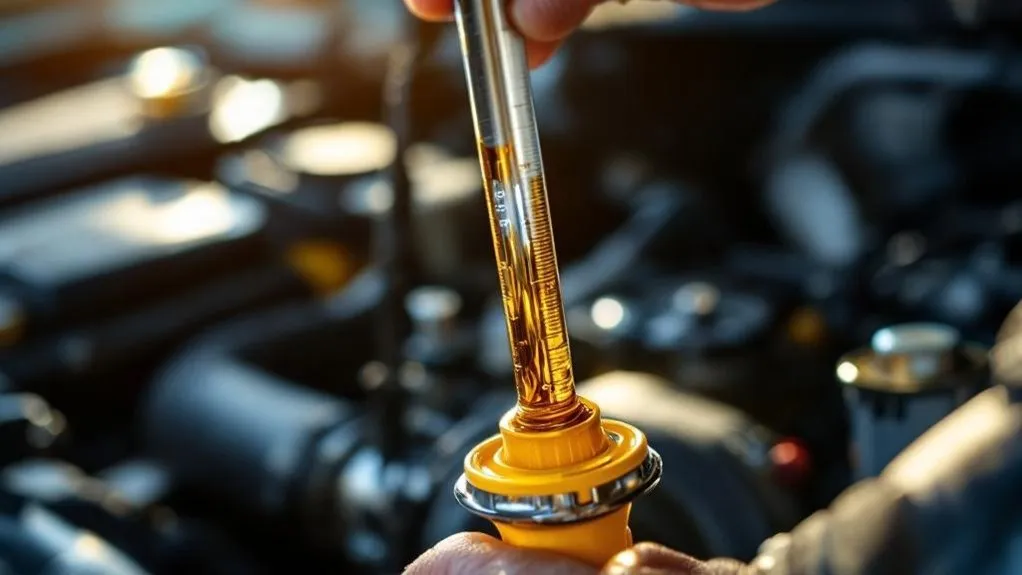
However, European engines can require specific oil formulations like LiquiMoly, certain filters, fill levels, and service procedures. Using the wrong oil or getting the fill level wrong can affect engine performance and longevity.
That goes for transmissions too.
4. Refer to the Pros for Safety, Complex, and Major Repairs
Some repairs can have stakes that are simply just too large for a DIYer to tackle.
Brakes, yeah sure, take care of it yourself.
Suspension and steering, yeah, that’s a different story.
Oil changes, of course, have at it.
Engine repair, yeah no, sometimes it takes multiple techs to work on a single engine.
The more sophisticated the job becomes the more you need to start deferring the job to a professional mechanic.
Here’s such a list:
- ADAS - Advanced Driver and Assistance systems
- Windshield replacement
- Wheel alignment
- Suspension repairs
- Collision repairs
- Sensor replacement (depending upon the vehicle)
- Engine repairs
- Transmission repairs
- Electrical repairs
- Timing repairs
5. Sometimes Diagnostics Saves You Money
If you’re a DIYer, a huge asset to your mechanical arsenal is being able to properly diagnose vehicles. It doesn’t just save you money to diagnose your car properly, but think about family, friends, neighbors, maybe even your coworkers. You can help many people with diagnostic skills, but that help becomes less effective once you hit the “I was trying to save money, so I started fixing it myself,” mindset.
Don’t forget, we’ve been there, we get it, but sometimes less is more. With the cost of European repairs being so expensive, do you really want to spend money twice on something that could’ve been done once?
Also, don’t just think about this in terms of money. If you work Monday-Friday that means you’re most likely going to be working on your vehicle/s on Saturday. On Saturday you’ll diagnose the car, then do trial and error spending money left and right until your entire Saturday is gone. Come Sunday, you’ve made no progress and have spent double the money, time, and energy into a job that is way above your skill level whereas you could’ve taken it to a professional and kept your Saturday.
Don’t let these words deter you from learning how to fix your vehicle. These aren’t words to discourage you. Actually, it’s quite the opposite. We know the joy of fixing vehicles, there’s a sense of pride in it.
However, we want you to set limitations, not on your ability to learn, but on your ability to tackle a problem alone when you need help. We’ve all been there. A leak caused because of an improperly installed gasket or a bolt missing from a critical part.
Fixing vehicles can be so rewarding, but in doing so we take on the responsibility of dealing with several, if not, dozens of parts that are all a part of a greater network that we call a motor vehicle. Mistakes are expected, but huge mistakes can be costly in more ways than one. Money isn’t the only thing you can lose.
So Much More for DIY
Here’s a few things we’d like you to keep in mind:
- Use the correct fluids and quality parts
- Use the proper tools for the job
- Don’t ignore warning lights
- Keep an ear out for unusual noises
- Make sure to use the correct manufacturer specifications
- Understand the difference between diagnosing an issue and changing out parts
- If it’s a safety-critical repair and don’t know the proper repair procedure, DON’T do it
- Know when to call a professional before things get too bad
Schedule Your Appointment Today